Choosing a Transparent Soda Can in 2026 requires more than admiring its clear, modern appearance. Packaging performance still matters. A can must protect carbonation, preserve flavor, and remain safe during storage, transport, and retail display. Clear materials can reveal the drink beautifully, but they may also expose it to light. That detail deserves attention.
This guide examines practical selection points for a Transparent Soda Can, including material composition, barrier performance, closure design, printing quality, and recycling information. Look for documented food-contact testing and supplier specifications. Ask how the container performs after filling, chilling, stacking, and repeated handling. Small defects matter. A weak seam or cloudy surface can damage consumer confidence quickly.
Appearance is only one measurement.
Reliable manufacturers should explain testing methods, production tolerances, and intended beverage compatibility. Carbonated drinks create internal pressure, so structural strength cannot be judged by appearance alone. Product samples should be inspected under bright store lighting and after temperature changes. A can that looks flawless at room temperature may behave differently in a refrigerated display.
Regional packaging rules also vary. Confirm current requirements with qualified packaging professionals and local authorities before commercial use. Certification claims should be verifiable, not merely printed in promotional language. This article will compare transparent can options realistically, including their limitations, costs, and environmental considerations. Some conclusions may remain uncertain because material technology continues to develop. That uncertainty is worth acknowledging. Better decisions come from measured testing, credible documentation, and honest review rather than novelty alone.
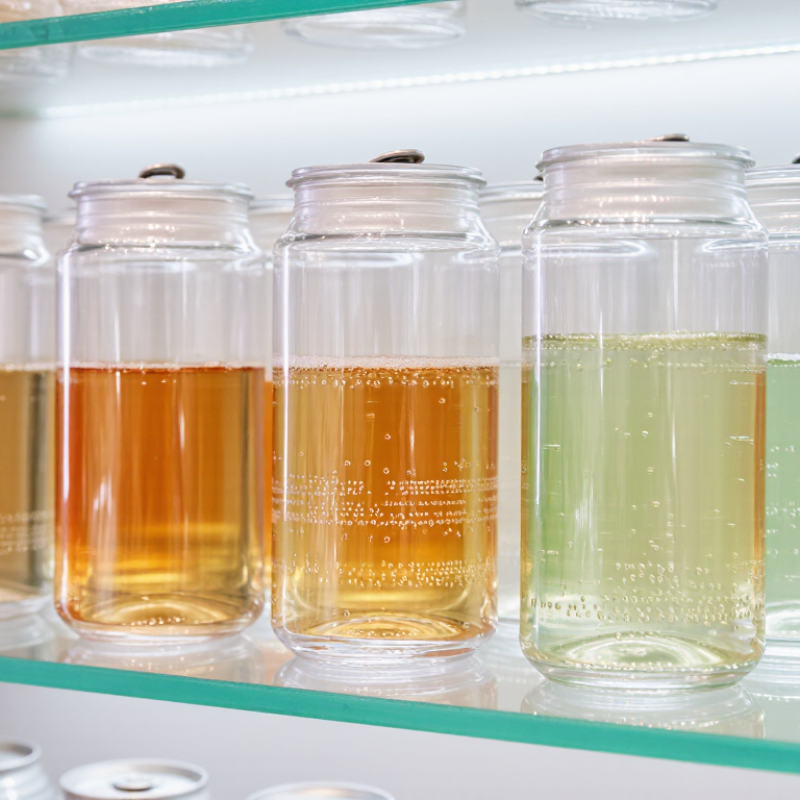
A transparent soda can is a clear, can-shaped container for carbonated drinks. Unlike a traditional aluminum can, it usually uses food-grade PET or another strong polymer. Its clear wall lets you see the soda’s color, bubbles, and fill level. That visual detail can make freshness feel easier to judge.
The container works through pressure control. Carbon dioxide dissolves in the liquid and pushes against the inner wall. A rounded base and reinforced sides help spread that pressure evenly. The lid must seal tightly around the opening. Some designs also include barrier layers, because oxygen can affect flavor and carbonation over time. The material should be odor-free, food-safe, and tested for contact with acidic drinks.
When choosing one in 2026, inspect the wall thickness and the closure area. Press the side gently. Excessive softness may signal weak protection. Hold the can under bright light and check for scratches, cloudiness, or uneven seams. Clear packaging also allows light to reach the soda, which may reduce quality during long storage. I once assumed visibility meant better freshness, but it only improves inspection. Temperature matters more than appearance. Refrigerated storage remains important. The ideal option balances transparency, pressure resistance, recycling guidance, and comfortable handling. Some designs still feel slippery when cold. That detail deserves more attention.
| Selection Dimension | Typical Transparent Packaging Option | Key Data or Technical Fact | How It Works | Suitability for Carbonated Soda | What to Check Before Purchase |
|---|---|---|---|---|---|
| Main Body Material | Clear PET or glass | Clear PET has a density of approximately 1.38 g/cm³; glass commonly ranges from about 2.4 to 2.6 g/cm³. | The transparent wall allows consumers to see the liquid, color, fill level, and sediment. | High for both | Confirm food-contact compliance, wall thickness, impact resistance, and compatibility with carbonated products. |
| Container Format | Can-shaped clear bottle or rigid clear cup with a sealed top | A common single-serve format is approximately 330 mL; actual dimensions vary by mold and closure design. | The package uses a rigid body, a sealed opening, and a pressure-resistant geometry to contain dissolved carbon dioxide. | High when pressure-tested | Request the exact capacity, body diameter, height, neck finish, and pallet dimensions. |
| Carbonation Pressure | Pressure-rated PET or glass construction | Carbonated soft drinks create internal pressure that changes with temperature; warmer liquid produces higher pressure. | The container wall and closure resist internal pressure while the seal limits carbon dioxide loss. | High if certified | Ask for burst-pressure, leak, drop, top-load, and pressure-retention test results at the intended filling temperature. |
| Carbon Dioxide Retention | Thick-wall PET, coated PET, multilayer PET, or glass | Glass provides a very strong gas barrier; PET is clear and lightweight but allows more gas transmission than glass unless enhanced. | A thicker wall, barrier coating, or additional layer slows carbon dioxide migration through the package. | Very high for glass; high for barrier PET | Compare carbonation loss over the intended shelf life, storage temperature, and expected distribution period. |
| Oxygen Protection | Barrier-enhanced PET or glass | Oxygen exposure can reduce flavor stability and accelerate oxidation in some beverages. | Barrier layers, coatings, and low-permeability materials reduce oxygen transfer through the package wall. | High when barrier-treated | Request oxygen-transmission data and confirm that the test method matches the beverage and shelf-life target. |
| Light Protection | Clear PET or clear glass | Transparent packaging provides limited protection from ultraviolet and visible light compared with opaque aluminum. | Because light can reach the beverage, the formula, label, secondary carton, or UV-blocking treatment may need to provide protection. | Moderate | Evaluate color fading, flavor changes, and storage exposure under retail lighting and sunlight conditions. |
| Weight and Handling | Lightweight PET | PET is generally lighter and more impact-resistant than glass for comparable single-serve applications. | The lower package mass reduces handling and transportation weight, while the polymer absorbs impacts better than glass. | High for mobile consumption | Check empty-package weight, drop performance, deformation after filling, and resistance to squeezing. |
| Breakage Risk | PET, glass, or reinforced clear polymer | Glass is rigid but can break under impact; PET normally has lower breakage risk but may dent or deform. | Material selection balances transparency, rigidity, impact resistance, and pressure performance. | PET: high; glass: moderate | Match the material to vending machines, outdoor events, delivery handling, and consumer safety requirements. |
| Closure and Seal | Screw cap, snap-on cap, or heat-sealed foil with a compatible lid | The closure must maintain a gas-tight seal and withstand internal carbonation pressure. | A liner, plug seal, or engineered thread prevents leakage and limits carbon dioxide escape after filling. | High when matched correctly | Verify torque range, seal integrity, tamper evidence, resealability, and compatibility with the filling line. |
| Recyclability | Mono-material PET or recyclable glass | Clear mono-material packaging is generally easier to sort and recycle than packaging with incompatible layers, pigments, or attached materials. | Material identification and compatible components help sorting facilities process the package into recycled feedstock. | High when designed for local systems | Check the resin or glass type, label and adhesive compatibility, cap material, recycled-content rules, and local collection access. |
| Temperature Range | Material-specific pressure-rated design | Internal pressure increases as temperature rises, so a package safe when chilled may require additional testing at elevated temperatures. | Temperature changes affect gas pressure, polymer stiffness, seal performance, and dimensional stability. | Dependent on validation | Define filling, storage, transport, and consumer-use temperatures before approving the package. |
| Visual Merchandising | Fully clear body with printed or applied label | Transparency displays beverage color and fill level but also makes scuffs, haze, sediment, and uneven filling more visible. | The clear wall becomes part of the product presentation, while the label communicates flavor, ingredients, and safety information. | Very high for visual appeal | Test clarity, haze, scratch resistance, label adhesion, print durability, and appearance after refrigeration. |
| Best Choice by Priority | PET for low weight; glass for rigidity and barrier performance | PET usually offers lower weight and better impact resistance, while glass offers excellent gas and oxygen barrier properties. | The final design balances visibility, carbonation retention, logistics, safety, sustainability, and cost. | Application-dependent | Choose only after shelf-life, pressure, transport, recycling, and regulatory tests are completed. |
Check food-contact documents and migration-test results. These show whether substances may enter the drink. Do not trust appearance alone.
Inspect the rim, base, and opening area for scratches. The container should resist internal pressure during warm transport. Does it feel stable?
Compare drop resistance, compression strength, temperature changes, and UV exposure. Repeated opening also matters. A weak lid may bend or create sharp edges.
Place a sample under bright light for several days. Watch for yellowing, cracks, or cloudy patches. This test is imperfect, but useful.
Buyers can inspect color, fill level, sediment, and separation. These details may reveal problems before purchase. Clarity has practical value.
Yes. Condensation can make the surface slippery. Glare may hide labels from some shelf angles. I once overlooked this detail.
Identify the exact material, resin code, cap, label, and coating. Ask whether local facilities accept all of them. “Recyclable” may be incomplete.
Not necessarily. Compare production energy, transport weight, refill potential, and collection rates. A light package may still be poorly recovered.
Request life-cycle data, third-party testing, and regional recycling evidence. End-of-life instructions should be clear. Packaging limits deserve honest attention.
There is no universal winner. Some materials recycle more simply, while others offer stronger product visibility. The comparison can still miss local waste conditions.
Choosing the right Transparent Soda Can in 2026 requires more than focusing on appearance. This packaging format uses a clear or semi-clear structure to let consumers see the beverage inside, improving product visibility and creating a distinctive presentation. Its design may rely on food-safe polymers, layered materials, or specially treated transparent components, each offering different levels of clarity, strength, weight, and heat resistance. When comparing options, consider whether the container can withstand filling, transportation, pressure, and everyday handling without cracking, deforming, or affecting the drink’s quality.
Sustainability is also essential. Review the can’s material composition, recyclability, recycled content, labeling requirements, and compatibility with local collection systems. A suitable Transparent Soda Can should balance visual appeal, consumer safety, durability, shelf performance, and environmental responsibility. By matching these factors with the beverage type, distribution conditions, production capabilities, and target customer expectations, businesses can select packaging that is practical, attractive, and better prepared for evolving market needs.
