7 Tips for Sourcing Clear PET Soda Cans?

Time:2026-09-21 Author:Sophia
0%

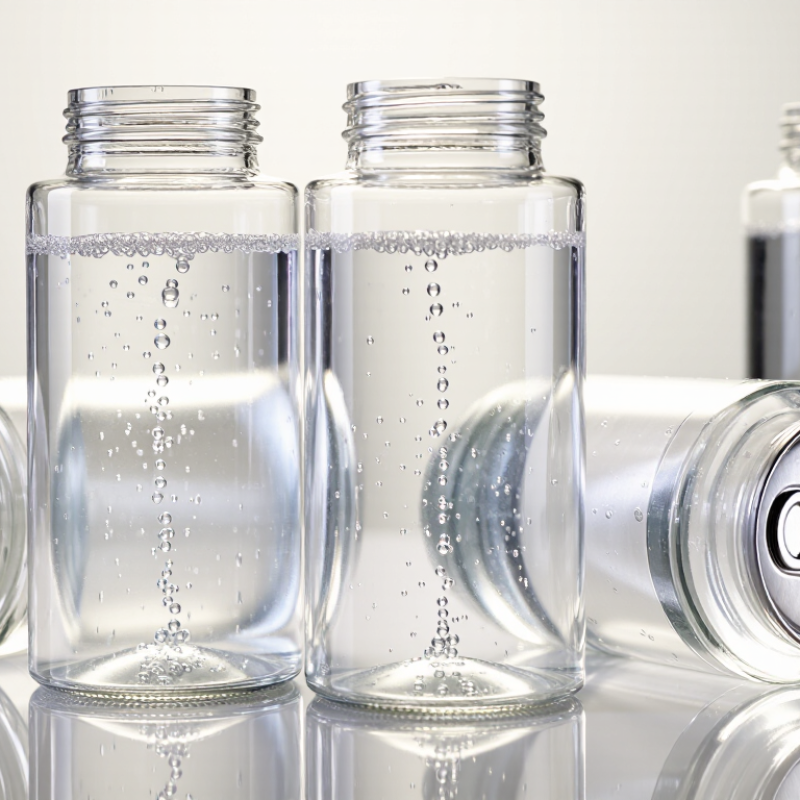
Sourcing a Clear Pet Soda Can looks simple until packaging performance meets real production pressure. A transparent can must attract shoppers, protect carbonation, and survive filling, transport, and retail handling. Appearance matters, but it is only one sourcing criterion. Material consistency matters more.

This guide shares practical lessons from packaging evaluation and supplier communication. Start by defining the can’s capacity, neck design, wall thickness, closure, and label area. Ask suppliers for resin information, food-contact documentation, dimensional tolerances, and recent quality records. Request physical samples before discussing large purchase volumes. A sample can reveal uneven walls, cloudy plastic, weak seams, or difficult opening behavior. Small details matter.

Test the container with your actual beverage. Carbonated drinks can expose weaknesses that water testing misses. Check pressure retention, leakage, drop resistance, temperature changes, and label adhesion. If the drink contains acid, colorants, or natural ingredients, test compatibility over time. One short inspection is not enough. I have seen attractive samples fail after filling trials. That mistake is avoidable.

Supplier capability also deserves close attention. Review production equipment, inspection procedures, batch traceability, and packaging methods. Confirm whether the quoted price includes closures, labels, molds, testing, and delivery terms. Environmental claims should be supported by clear technical evidence, not vague promises. Recycling guidance can vary by market, so verify local requirements with qualified professionals. A reliable supplier answers specific questions clearly. Silence is a warning sign.

The seven tips ahead will help you compare suppliers with greater confidence. They will not remove every risk. Careful testing still matters.
7 Tips for Sourcing Clear PET Soda Cans?

Define Clear PET Soda Cans: PET Density Is About 1.38 g/cm³

Clear PET Soda Cans: PET Density Is About 1.38 g/cm³

Clear PET soda cans begin with accurate material definition. Polyethylene terephthalate, or PET, has a typical density near 1.38 g/cm³. That figure helps buyers compare resin data, calculate shipping weight, and identify suspicious specifications. It is not a complete quality guarantee. Add the required PET grade, food-contact documentation, and recycled-content details to the sourcing brief. Small wording matters.

Ask for a measured wall-thickness map, not only an attractive sample. Check clarity under store lighting. Inspect the shoulder, base, opening, and sealing area closely. Request dimensional tolerances and compression-test results. A clear can may look strong but deform during stacking. I have seen samples pass a visual review and fail after warm storage. That mistake is expensive. Test filled cans with carbonation, vibration, pressure, and temperature changes. Record the results.

Confirm the closure fit and leakage performance. Review oxygen and carbon dioxide barrier data when shelf life matters. Ask whether additives or multilayer structures affect recycling in your market. Request independent laboratory reports, batch traceability, and a defined inspection plan. Compare at least three production samples, because one perfect sample proves little. Also verify pallet patterns and carton protection. Clear PET can reveal scratches easily. The smallest surface mark may become a customer complaint. Density is a useful starting point, not the finish line.

Specify Carbonation Performance: Soda Packs Commonly Hold 2–4 Vol CO₂

7 Tips for Sourcing Clear PET Soda Cans

Specify carbonation performance before comparing appearance. The ISBT Beverage Technicians Committee defines carbonation as volumes of CO₂ per beverage volume. Many soda packs operate between 2 and 4 volumes. That range is wide. A package designed for 2 volumes may fail under a 4-volume specification.

Ask suppliers for burst-pressure, creep, and top-load data at the intended fill temperature. Carbonated PET packaging can lose stiffness when exposed to heat. ASTM D4169 distribution testing also helps reveal damage from vibration, drops, and stacking. Test filled samples, not empty shells. Empty samples often hide practical weaknesses.

Tip: Request a pressure-retention report at 4°C and 23°C. Pressure changes with temperature, and warehouse conditions are rarely perfect.

Clear PET adds visual appeal, but transparency exposes haze, scratches, weld marks, and uneven wall thickness. Check light transmission, color value, and appearance after carbonation. The Plastics Industry Association reports PET as one of the most widely recycled packaging plastics, yet recyclability does not guarantee a high-quality bottle or can. Resin grade, barrier layers, closures, and additives still matter.

Tip: Require migration, oxygen-transmission, and CO₂-loss data from an accredited laboratory. A supplier’s brochure is not enough.
Tip: Inspect the neck, seam, and base under pressure. I have seen attractive prototypes deform near the base during warm storage. That mistake is easy to miss during a short factory visit. Also question unclear test methods. “Passes pressure testing” means little without time, temperature, sample size, and failure criteria.

Choose Barrier Technology: PET’s CO₂ Retention Needs Added Protection

When sourcing clear PET soda cans, treat CO₂ retention as a core performance requirement. PET is lightweight and transparent, but it does not block gas migration as effectively as some traditional packaging materials. Carbonation can fade during storage, especially under heat or extended distribution conditions. Tiny leaks matter.

Ask suppliers which barrier technology protects the drink. Options may include multilayer PET structures, internal coatings, or oxygen and CO₂ barrier additives. Each solution affects clarity, recyclability, filling conditions, and cost. A coating may improve gas retention, yet poor application can create uneven protection. Multilayer construction can perform well, but it may require careful compatibility testing with local recycling systems.

Request measured data from controlled trials, not only general claims. Check carbonation levels after hot and cold storage. Examine seam strength, closure performance, wall thickness, and visual clarity. Test filled cans after transport vibration, because laboratory samples often avoid real handling stress. I would also compare performance after several weeks, not just after 24 hours. That shorter test can look reassuring, but it may hide gradual CO₂ loss. No barrier choice is perfect. The right specification balances shelf life, appearance, production stability, and end-of-life requirements. A reliable supplier should explain test methods, sample conditions, and acceptable tolerances clearly.

Audit Food-Contact Compliance: FDA and EU Rules Govern Beverage Packaging

Sourcing clear PET soda cans requires more than checking clarity, wall thickness, and carbonation performance. Food-contact compliance should lead the supplier audit. In the United States, ask which FDA pathway supports each material, additive, colorant, adhesive, and coating. Relevant evidence may include a food-contact notification, applicable regulation, or prior sanction. Request the exact resin grade and a signed compliance statement. Do not accept “FDA approved” as a complete answer. That phrase is often too vague.

In the European Union, verify Regulation (EC) No 1935/2004, GMP Regulation (EC) No 2023/2006, and plastics rules under Regulation (EU) No 10/2011. Request a current Declaration of Compliance. It should identify intended beverages, temperature limits, contact time, and migration assumptions. Test results should reflect carbonated drinks, storage conditions, and the final package, not only raw PET. Check overall migration and relevant specific migration limits. Clear appearance does not prove safety.

During a practical audit, compare batch codes, supplier change controls, and recycled-content records. Ask for accredited laboratory reports and traceability from resin pellet to filled can. Review the cap, liner, label ink, and adhesive too. A compliant container can fail as a complete system. I have seen audits stall because documents were copied from an older design. That gap deserves attention. Recheck after every formulation, thickness, or supplier change. Confirm current requirements with qualified regulatory counsel before purchase.

Evaluate Recycled Content: EU Bottles Require 25% Recycled PET From 2025

7 Tips for Sourcing Clear PET Soda Cans?

Recycled content now affects every clear PET beverage container specification. From 2025, PET beverage bottles sold in the EU must contain at least 25% recycled PET. This requirement does not automatically apply to every PET can format, so confirm the exact product category with a qualified compliance specialist. Ask suppliers for recycled-content declarations, batch records, and food-contact documentation. Do not rely on a brochure alone.

Recycled PET can slightly reduce clarity, especially when flakes vary in color or quality. Request transparent samples made with the proposed resin ratio. Check haze, blue tint, wall thickness, and surface scratches under strong white lighting. A perfect crystal-clear finish may be unrealistic. That is worth discussing early. Ask whether the recycled material comes from controlled post-consumer sources and whether the supplier can maintain the same percentage across repeated orders.

Production trials reveal practical issues. A container may look clear before filling but show stress marks after carbonation. Test filled samples at cold temperatures and after transport simulation. Measure carbon dioxide retention, seal performance, drop resistance, and label adhesion. Keep the recycled-content target written into the purchase specification. Otherwise, cost pressure may quietly change the material blend. I would also review certificates each quarter, because documentation can expire while the packaging remains in circulation.

FAQS

What is the typical density of clear PET soda cans?

PET density is about 1.38 g/cm³. This helps estimate material weight and compare specifications. Density alone proves little.

Why should buyers request a wall-thickness map?

A wall-thickness map shows weak areas around the shoulder, base, opening, and sealing zone. Visual samples can hide uneven material. Ask for dimensional tolerances too.

What carbonation level should the package support?

Many soda products hold about 2–4 volumes of carbon dioxide. Specify the exact target before testing. A package made for 2 volumes may fail at 4.

Which pressure tests are useful for filled PET cans?

Request burst-pressure, creep, top-load, and pressure-retention results. Test filled cans at about 4°C and 23°C. Empty shells can look deceptively strong.

How should transport and storage performance be checked?

Use filled samples during vibration, drops, stacking, and temperature changes. Warm storage can soften PET and cause base deformation. Short factory checks may miss this.

What barrier information matters for carbonated drinks?

Ask for oxygen transmission and carbon dioxide loss data. Check results after hot and cold storage. A 24-hour test may hide gradual gas loss.

Can multilayer PET or coatings improve shelf life?

They may improve gas retention and reduce carbonation loss. However, they can affect clarity, recycling, cost, and filling conditions. No barrier choice is perfect.

How can buyers inspect appearance and sealing quality?

Examine the package under store lighting and internal pressure. Look for haze, scratches, weld marks, uneven walls, and leaks. Tiny marks can trigger complaints.

What documents should a reliable supplier provide?

Request food-contact documents, laboratory reports, batch traceability, and clear test methods. Reports should include sample size, temperature, duration, and failure criteria. “Passed testing” is too vague.

What should buyers verify before approving production?

Compare at least three production samples, not one attractive prototype. Check closure fit, pallet patterns, carton protection, and recycling compatibility. I would still review the decision after real distribution data arrives.

Conclusion

Sourcing a Clear Pet Soda Can requires careful evaluation of material properties, carbonation performance, barrier protection, and regulatory compliance. PET has a density of approximately 1.38 g/cm³, offering a lightweight and transparent packaging option, but its natural resistance to carbon dioxide loss may be limited. For carbonated beverages typically containing 2–4 volumes of CO₂, buyers should assess bottle-wall design, closure fit, and added barrier technologies to help preserve freshness, pressure, and shelf life.

A reliable sourcing process should also include checks for food-contact compliance under applicable FDA and EU requirements, along with testing for migration, pressure resistance, clarity, and dimensional consistency. Recycled content is another important consideration: beverage packaging placed on the EU market must meet the requirement for 25% recycled PET from 2025. Finally, compare suppliers based on quality-control systems, production capacity, traceability, delivery reliability, and sustainability documentation before selecting a Clear Pet Soda Can solution.

Sophia

Sophia

Sophia is a dedicated marketing professional with an exceptional depth of knowledge about her company's products and services. With a keen understanding of market trends and customer needs, she crafts insightful blog posts that not only inform but also engage readers, enriching the company’s online......