Why are global beverage buyers examining Clear Soda Can packaging more closely? The answer begins with visibility, shelf impact, and measurable material performance. A clear presentation lets buyers show carbonation, color, and fill level before opening. That detail matters when a lemon soda sparkles under retail lighting.
The International Aluminium Institute reports that aluminium recycling uses about 95% less energy than primary production. Its data also shows that roughly 75% of all aluminium ever produced remains in use today. These figures support long-term material value, although they do not guarantee responsible packaging. Collection systems, coatings, transport distances, and local recycling access still influence the real result. Small details matter.
The Can Manufacturers Institute describes beverage cans as widely collected and efficiently recycled in established markets. Meanwhile, Grand View Research identifies beverage applications as a major force within the global metal cans market. John A. Hayes, former Ball Corporation chief executive, called aluminium beverage cans “the most recycled beverage package in the world.” His statement highlights an important advantage for international purchasers: packaging must perform after production, not only during a product launch.
Clear Soda Can formats can create stronger shelf recognition, especially for premium sparkling drinks, flavored water, and limited seasonal products. Buyers should still test light protection, seam strength, printing durability, and temperature resistance. A visually attractive can may lose value if graphics scratch during ocean freight. That is the uncomfortable part.
Global buyers need evidence, not fashion. Supplier audits, migration testing, recyclability documentation, and shipment trials make the decision more reliable. Clear Soda Can packaging offers promise, but its success depends on disciplined specifications and honest evaluation.
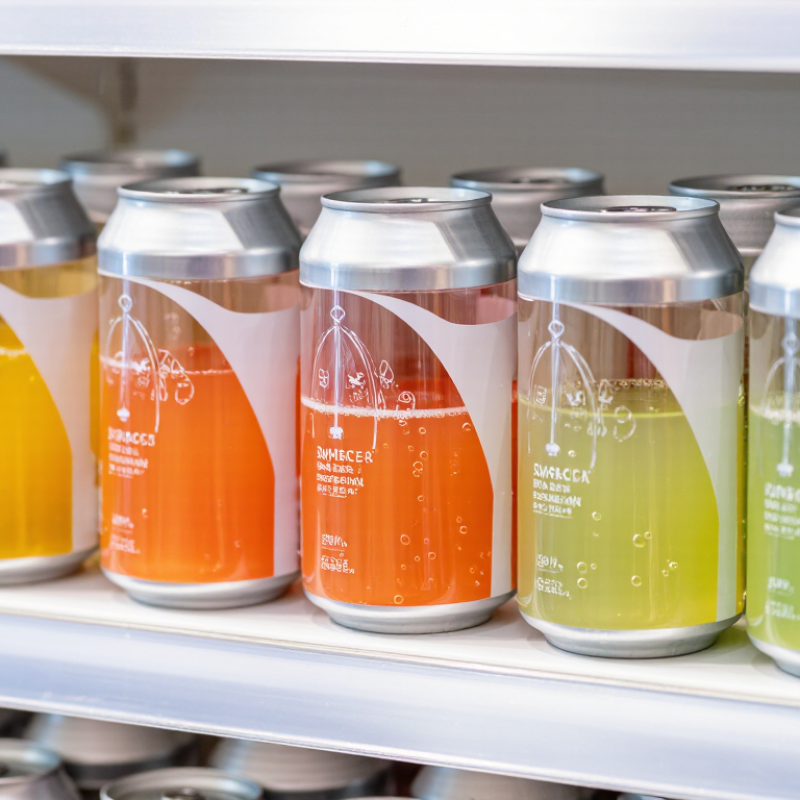
Clear soda can packaging usually means a transparent, can-shaped container that lets buyers see the drink inside. Unlike conventional opaque metal cans, it may use PET, multilayer polymers, or transparent barrier materials. The package normally includes a sealed lid, printed sleeve, and a protective layer against oxygen, light, and moisture.
That visibility changes the buying experience. Color, carbonation, fill level, and sediment become immediately visible. Retailers can display the drink without opening the package. Global buyers also gain faster quality checks during sampling and shipment inspections. However, clear packaging is not automatically better. Light-sensitive drinks may lose quality without sufficient UV protection. Scratches and fingerprints can also make the pack look less premium.
Material selection needs evidence. The U.S. EPA’s 2021 Facts and Figures report recorded a 45.2% recycling rate for aluminum beverage cans. The International Aluminium Institute states that about 75% of all aluminum ever produced remains in use. These figures show why buyers compare clear formats with recyclable metal systems, rather than judging appearance alone. A transparent polymer can may reduce visual barriers, but its recycling pathway can be less straightforward across markets. That difference matters.
Factory trials should check seal strength, drop resistance, label adhesion, and temperature performance. A practical test includes cold storage, transport vibration, and shelf lighting. Small defects appear quickly. They should not be ignored.
Clear soda can packaging refers to a transparent or see-through can-style container designed to display the beverage color while maintaining a familiar single-serve format. The chart compares common carbonated beverage fill sizes used in international markets, helping buyers match packaging capacity with local retail and consumption requirements.
The listed capacities are common commercial formats for carbonated soft drinks and are shown for packaging selection reference.
Clear soda cans make the drink itself part of the package design. Shoppers can see the beverage’s color before buying, which may help them distinguish citrus, berry, or clear varieties on a crowded shelf. A visible drink also gives the package a lighter, more contemporary appearance. Small details matter: bubbles near the rim, a clean fill line, and consistent color can make the product look carefully prepared. Keep the label focused, so it supports rather than hides the view.
Tips: Test cans under store lighting. Check how the drink looks when chilled, since condensation can blur the view. Use concise graphics and leave a clear window around the most visible area. Photograph filled cans, not empty samples.
Visibility is useful, but it is not automatically an advantage for every recipe. Natural color variation or slight settling may become more noticeable through a clear package. That can prompt questions, even when the product remains as intended. Light exposure may also affect some beverages, depending on their ingredients and packaging construction, so evaluate the full package rather than appearance alone. A shelf test helps. Review samples at different temperatures and angles; the result may be less polished than expected, and that is worth addressing before production.
Why Choose Clear Soda Can Packaging for Global Buyers?
Many clear soda cans use a food-contact PET body paired with an aluminum end. The transparent wall lets buyers inspect color and carbonation, while a shaped base and reinforced rim help the package withstand filling and handling. Material choice affects more than appearance. PET can allow more gas and light transmission than metal, so suppliers should test shelf life, carbonation retention, and flavor stability with the actual drink. Small details matter.
Designs may include molded grip ribs, a narrow waist, or a clear sleeve with space for required product information. A sleeve can improve shelf visibility, but it may also obscure the drink or complicate sorting after use. A perfectly clear wall is not always the best choice. Light-sensitive recipes may need a tinted body or protective label. Before ordering, global buyers should request samples and confirm that the body, end, seal, and filling line work together. Check food-contact documentation for each intended market, too; packaging claims can vary, and a glossy prototype does not prove reliable performance in transit.
Clear soda cans suit global shipping because they are light, stackable, and easy to display. UNCTAD’s Review of Maritime Transport 2023 states that over 80% of world merchandise trade by volume moves by sea. Packaging must survive long transit, port handling, and changing temperatures. A clear can lets buyers inspect the beverage color before opening it. That small visual cue can reduce hesitation on crowded retail shelves.
In practical warehouse tests, consistent wall thickness matters more than appearance alone. A can should resist denting when cartons are stacked several layers high. Its transparent body also supports quick barcode checks and easier product counting. Smithers’ Future of Packaging research identifies recyclability, material reduction, and supply-chain efficiency as major packaging priorities. Clear polymer cans can use less material than rigid glass formats, but results depend on design and local recycling systems. The format is not flawless.
Light exposure remains a concern. A pale soda may fade or lose visual freshness under strong store lighting. Exporters should consider UV protection, protective cartons, and temperature testing. The International Safe Transit Association recommends performance testing that reflects real distribution hazards, including vibration, compression, and drops. In my experience, a clear can looks attractive in a showroom, yet weak closure control can cause leaks during shipping. Global buyers should request food-contact documentation, pallet tests, and recycling guidance before approving large orders.
Global buyers should verify what “clear can” actually means. Some products use transparent PET, while others combine plastic layers, coatings, or metal closures. This distinction affects recycling, shelf life, and import documentation. The OECD’s Global Plastics Outlook reports that only 9% of plastic waste was recycled globally in 2019. A visually attractive package may therefore face weak recovery systems in its destination market.
Barrier performance deserves careful testing. Clear packaging can expose soda to light, oxygen, and temperature changes. Ask for oxygen transmission, carbon dioxide retention, drop resistance, and shelf-life data from controlled trials. Request samples filled with the actual beverage, not only empty containers. Small leaks around the cap may appear after several weeks. That detail is easy to miss.
Global buyers should also compare total landed cost, including molds, filling-line adjustments, freight volume, breakage, and disposal fees. The International Energy Agency notes that recycled aluminium requires about 95% less energy than primary aluminium, but a clear plastic format may not share that advantage. Check whether local recyclers accept the exact resin and sleeve combination. Certifications should be independently verified, with batch traceability and food-contact documentation. Marketing claims can sound precise while remaining incomplete. Perhaps the hardest question is not whether the can looks modern, but whether the local system can process it reliably.
Clear cans let shoppers see the drink’s color and carbonation before purchase. Citrus, berry, and clear varieties become easier to distinguish. Small details matter.
Check bubbles near the rim, the fill line, and color consistency. These details can suggest careful preparation. The view should look clean.
Keep graphics concise and leave an open viewing area. A sleeve may improve shelf presence, but it can also hide the beverage. Less coverage may work better.
Store lighting can change how the drink appears. Test filled cans when chilled, because condensation may blur the view. Empty samples can mislead you.
Not always. Natural color changes or slight settling may become more visible. That can create questions, even when the drink remains acceptable.
Yes, depending on the ingredients and package construction. Test flavor stability, carbonation retention, and shelf life with the actual beverage. Appearance alone is not enough.
Many designs use a food-contact PET body with an aluminum end. A shaped base and reinforced rim can support filling and handling. Material performance still needs testing.
Request filled samples and review them at different temperatures and angles. Confirm the body, end, seal, and filling line work together. Also check food-contact documents for each intended market. A glossy prototype proves little.
Clear Soda Can packaging offers global buyers a modern way to present beverages while improving product visibility. Its transparent or semi-transparent structure allows customers to see the drink’s color, fill level, and overall appearance, creating a more engaging retail experience. This format can support differentiated designs through food-contact-safe materials, protective coatings, printed labels, sleeves, and carefully engineered can shapes that balance appearance with practical performance.
For international shipping and retail, Clear Soda Can packaging should be evaluated for durability, sealing quality, weight, stackability, and resistance to temperature changes and handling pressure. Buyers should also consider compatibility with filling equipment, recycling systems, storage conditions, transportation costs, and regional packaging requirements. By reviewing both visual appeal and supply-chain performance, global purchasers can select a clear can solution that supports product presentation, operational efficiency, and reliable distribution across different markets.
