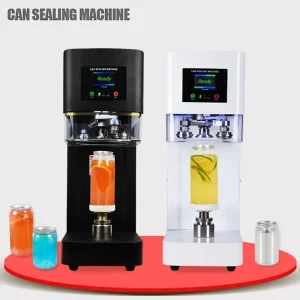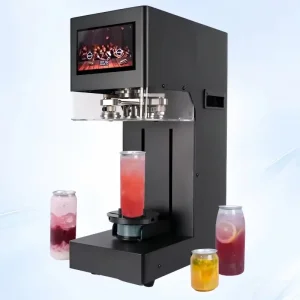
Engineered for extreme precision, high hermetic integrity, and zero spill performance in liquid beverage and food sealing lines.
Muharraq, rich in cultural history, has strategically transitioned into a cornerstone of Bahrain’s modern logistics and light manufacturing sector. Adjacent to the Bahrain International Airport and the Sheikh Khalifa Bin Salman Port, Muharraq serves as a crucial transit point for regional trade in the Persian Gulf. This geographical prominence has accelerated the establishment of large-scale food processing facilities, packaging hubs, and innovative beverage brands.
The local food and beverage (F&B) economy is experiencing a structural shift towards ready-to-consume packages, driven by a bustling population in areas like Amwaj Islands, Busaiteen, and the historical center. The demand for reliable automated can sealers in Muharraq is not just a operational upgrade; it is a critical necessity to ensure food safety, comply with strict GSO (Gulf Standardization Organization) regulations, and withstand the region's harsh thermal environments. Local factories require machinery that maintains precise sealing parameters despite high atmospheric temperatures and ambient humidity, ensuring that cold-brew coffee, carbonated juices, and dry foods remain shelf-stable without chemical preservatives.
On a global scale, the canning industry has evolved from crude mechanical crimping to precision-engineered double-seaming automation. The global market is prioritizing rigid, lightweight, and highly recyclable materials like PET (Polyethylene Terephthalate) and Aluminum. In this context, seaming equipment must operate with micrometric precision. Modern automatic can sealers utilize high-rigidity seaming chucks and profile rollers to shape the double seam, creating a hermetic barrier that protects the product from microbial ingress and gas exchange.
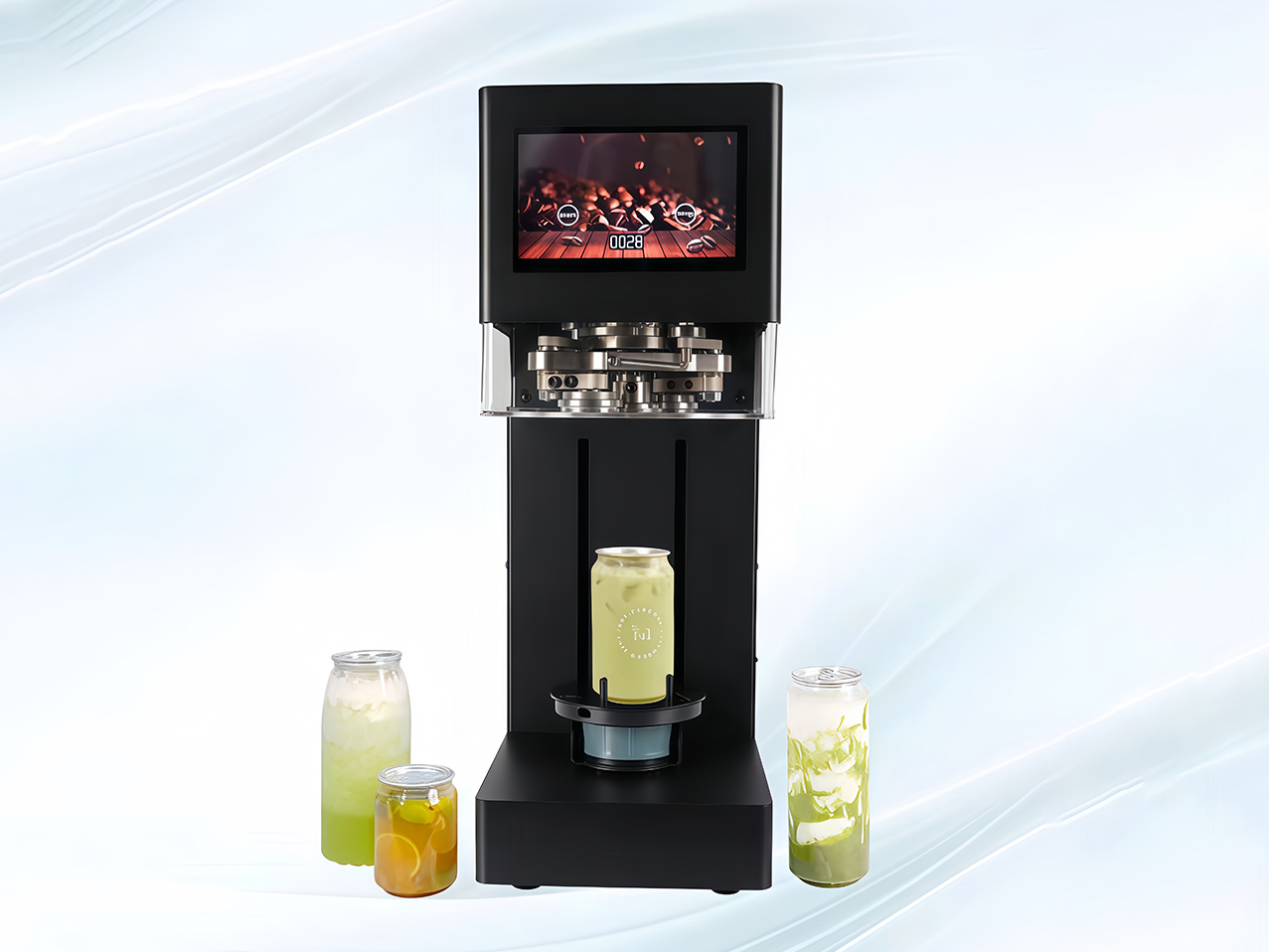
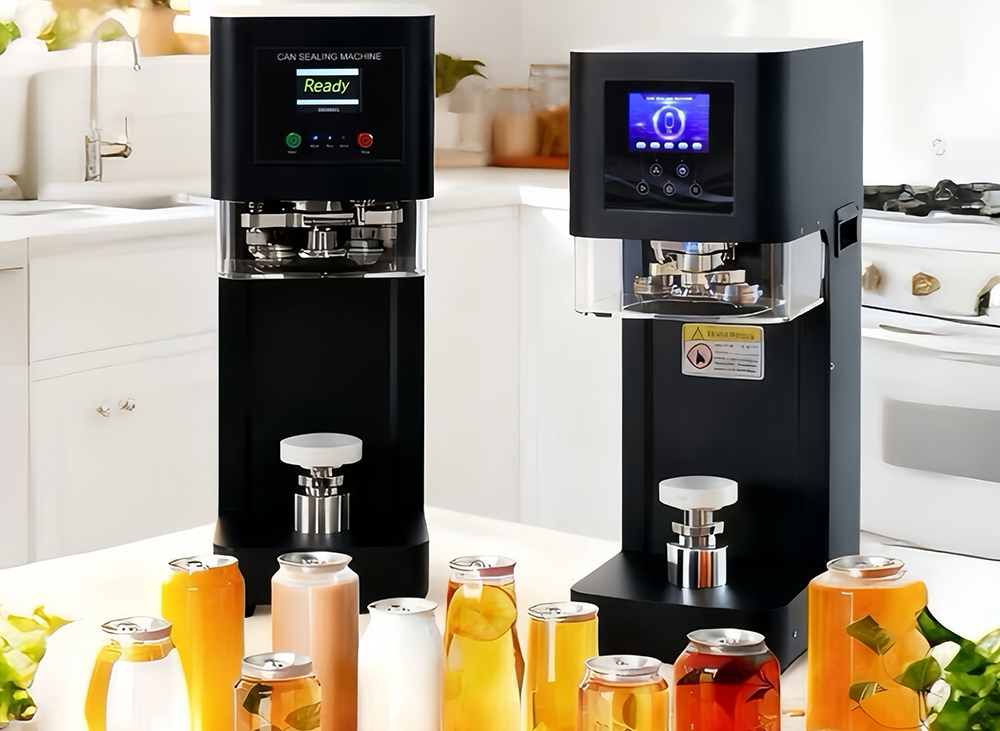
Historically, beverage companies faced the limitation of rotary sealing machines, where the container itself rotates during the seaming process. This movement created centrifugal forces that caused product spillage, especially at high fills or with low-viscosity liquids like nitro-infusions or cold brews. The global paradigm has rapidly pivoted towards **non-rotary sealing technology**. In non-rotary systems, the container remains completely stationary while the dual-cam driven seaming rollers rotate around the can lid. This innovation eliminates spillage, guarantees a clean sealing head, and dramatically decreases the rate of cosmetic defects on clear PET cans.
Understanding the mechanical differences between rotary and non-rotary can seamers is vital for plant engineers in Muharraq's industrial zones. The sealing process involves two primary operations:
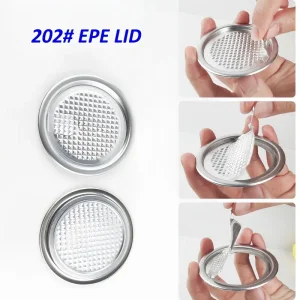
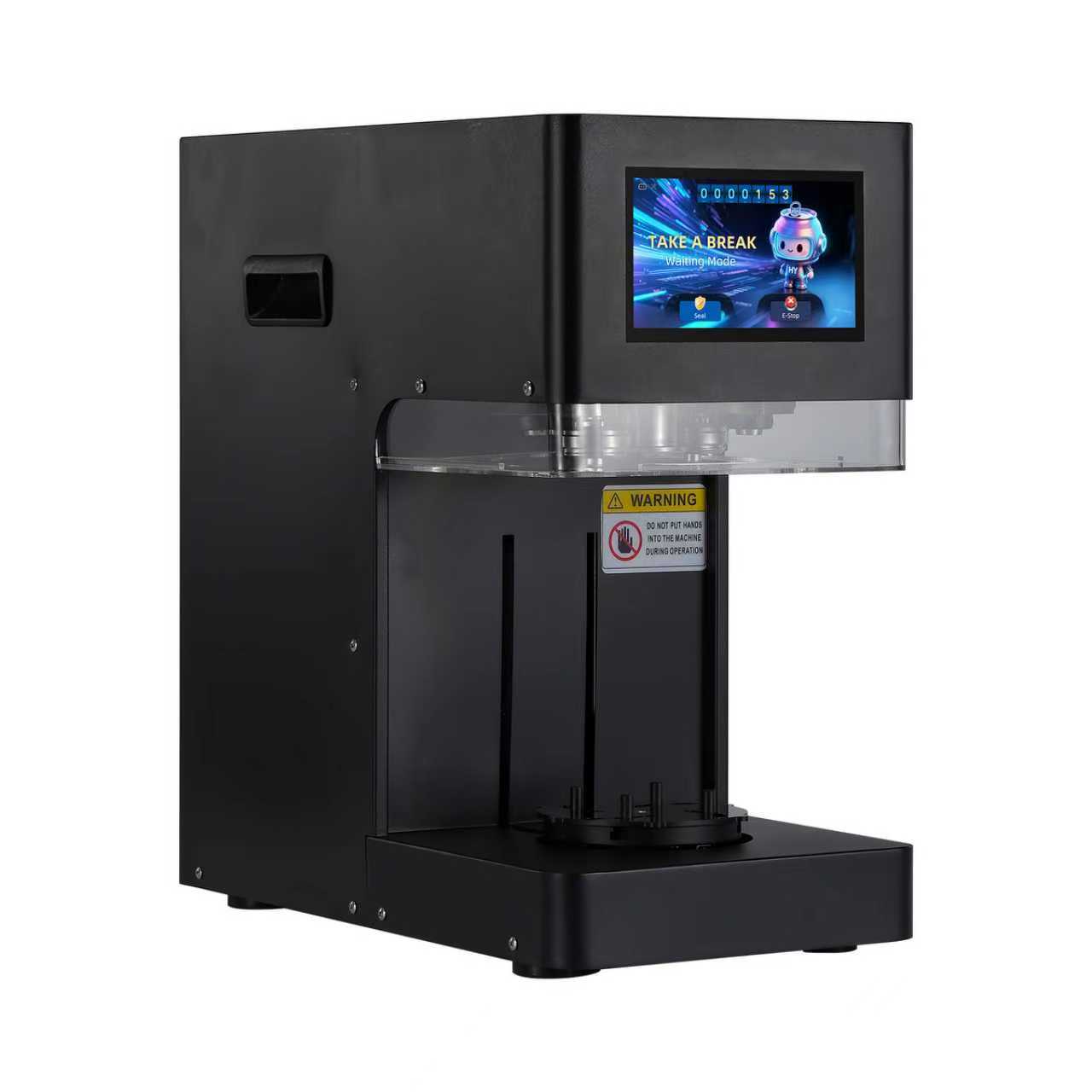
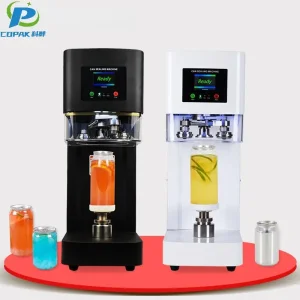
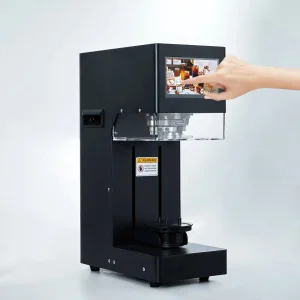
For high-capacity canning lines handling delicate beverages, non-rotary machines (such as our OEM Non-rotary Automatic Can Sealing machine) stand as the industry benchmark. Since the can does not spin, the seal is consistent and free from stress-induced micro-fractures, which is critical when sealing clear PET cans with aluminum easy-open ends (EOE).
Established in 2021, Shanghai COPAK Industry Co., Ltd. maintains a sales office in Shanghai and an associated factory in Guangdong Province. As a professional supplier of eco-friendly food and beverage packaging solutions, our product portfolio includes PET cups, PET cans, and sealing machines, among other related items.
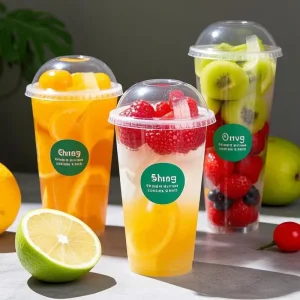
Committed to staying ahead of market trends through continuous innovation, COPAK delivers high-quality yet cost-effective packaging solutions. Our product range covers PET cups and cans in diverse shapes and capacities—from 1oz to 32oz—available in both plain finishes and custom printed designs. As a long-term strategic partner and trusted supplier, we dedicate ourselves to designing and manufacturing reliable, premium-quality, and stylish PET cups and cans for our clients.
Having supplied PET cup and PET cans to numerous renowned brands, our products are now distributed globally. Explore our industrial-grade components designed to perform under high mechanical stress.

Ensure uninterrupted production with premium lids, wear-resistant cups, and customized structural configurations engineered for Muharraq's regional standards.
Implementing an automated can sealing line in a Muharraq-based factory demands structured technical planning to ensure minimal downtime and maximize capital yield. The engineering roadmap is divided into three key integration phases:
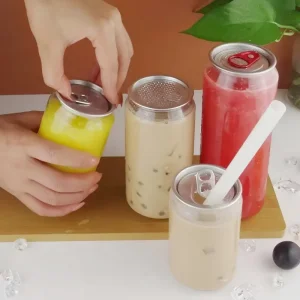
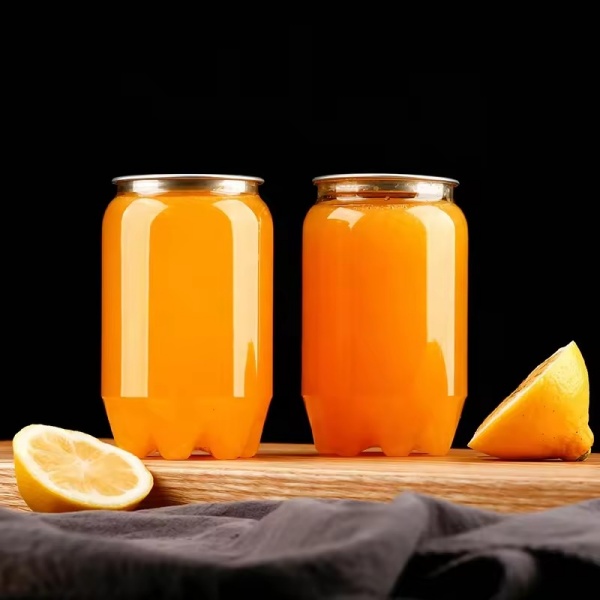
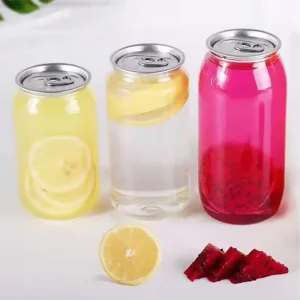
In accordance with Bahrain Vision 2030, environmental compliance and plastic circularity are no longer optional. Modern packaging lines must support highly recyclable PET grades while retaining maximum gas barrier performance. Our clear PET cans with aluminum pull lids combine the premium visual look of transparent packaging with the structural strength of traditional cans. This transparency helps drive point-of-sale decisions in Muharraq’s retail shelves while maintaining a low carbon footprint, as aluminum and food-grade PET are highly recyclable across modern regional municipal processing systems.
Stay updated with the latest technological developments in automation, packaging safety, and shelf-life extension.
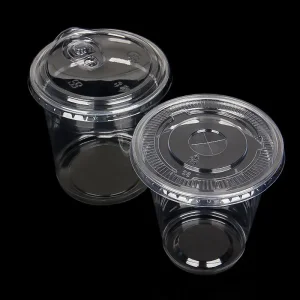
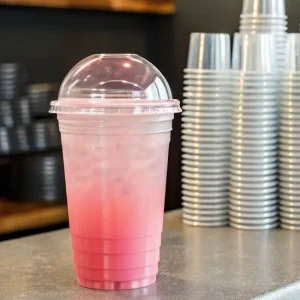
We provide customers with green Eco-friendly high-quality products. Explore our high-demand containers engineered for structural stability, thermal resistance, and visual transparency.
Expert answers regarding machinery operation, regional compliance, and packaging optimization.
Get in touch with our engineering team for customized machine specifications, custom packaging designs, and pricing proposals designed for your processing facilities.